


WHO WE ARE
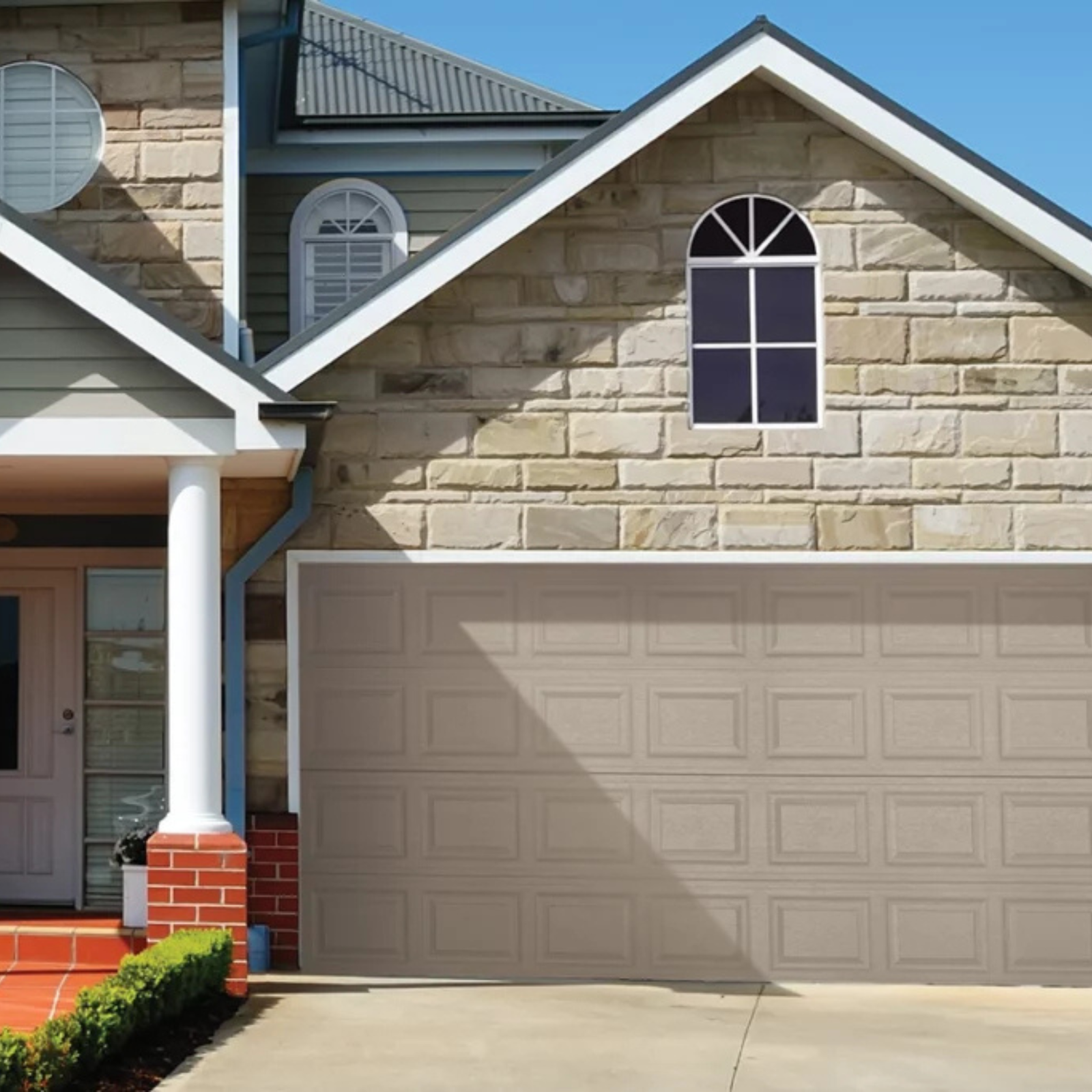
Noisy, shaky garage door? It's probably the rollers.
Worn-out rollers are the #1 cause of rough, loud, and jerky garage door operation. Affordable Garage Doors provides fast roller inspection and replacement throughout Philadelphia — restoring smooth, quiet movement to your door.
Your door glides on 10 to 12 rollers — and they don't last forever.
Every time your garage door opens and closes, the rollers spin inside the tracks under the full weight of the door. Over the years, friction eats away at the roller bearings, the stems wear thin, and the wheels develop flat spots or cracks. What starts as a slight squeak turns into a door that grinds, shakes, and eventually seizes up entirely.
The good news? Roller replacement is one of the most affordable and impactful upgrades you can make for your garage door — and our technicians can swap all of them in a single visit.
Replacing rollers involves working under tension. This is not a safe DIY job.
The bottom roller brackets are bolted to the cable assembly. Removing the wrong bolt under spring pressure can release stored energy instantly — putting you at serious risk. Our technicians bring proper winding tools, locking pliers, and years of experience to every job.
5 ways your rollers are telling you they need help
Rollers don't hide their condition well. Here's what to look (and listen) for.
Loud grinding or squealing
Metal rollers with dry or collapsed bearings scream during operation. If lubricating doesn't quiet it, the bearing has failed.
Door shimmies side to side
Wobbly or oval-shaped rollers let the door shift laterally in the tracks instead of tracking straight and true.
Door hesitates or sticks mid-travel
Rollers that bind inside the track create resistance points. The opener fights harder, and the door jerks past the stuck spot.
Chips, cracks, or flat spots
Nylon rollers wear down over time. Once the outer shell cracks or flattens, the steel core grinds directly against the track.
Gaps between roller and track
If you see daylight between the roller wheel and the track wall, the stem is bent or the bearing race has disintegrated.
Not all rollers are created equal
We stock every common size and material — and we'll recommend the right upgrade for your budget, noise tolerance, and door weight.
- Economy option, bare steel construction
- No ball bearings — friction-based rotation
- Loudest choice, requires frequent lubrication
- Prone to rust in humid climates
- Typical lifespan: 3–5 years
- Nylon wheel with steel stem & bearings
- Quieter than all-steel, smoother on tracks
- No metal-on-metal contact with track
- Good balance of cost & performance
- Typical lifespan: 7–10 years
- Sealed ball bearings — zero maintenance
- Whisper-quiet operation, even on heavy doors
- Precision-machined nylon wheel
- 11-year manufacturer warranty
- Typical lifespan: 15–20+ years
How we replace your rollers
A full 10-roller swap usually takes 60–90 minutes from start to finish.
Safety lock the door
Door secured in open position, tension verified stable before any bracket is touched.
Remove old rollers
Top rollers first, then working downward. Bottom brackets carefully detached with cable tension managed.
Inspect tracks & hinges
We check the full track path for dents or misalignment and verify all hinge bolts are tight.
Install & lubricate
New rollers seated into hinges and tracks, then lubricated with a garage-door-rated silicone spray.
Balance & cycle test
Door run through 5–6 full cycles. We verify balance, alignment, and noise level — and tune as needed.
Repair or replace? Here's how to know.
Sometimes a quick fix is enough. Other times, you're better off replacing all the rollers at once. Use this guide to decide.
Repair is enough when...
Only 1–2 rollers show minor wear, the noise is new, and the rest spin freely. A targeted fix may buy you a year or two.
Replace all rollers when...
Multiple rollers are chipped, seized, or wobbly. The door has been loud for months. Doing all 10–12 at once restores full performance and saves labor cost over piecing them out.
The "age rule"
If your rollers are original to a door that's 8+ years old — especially if they're steel — replacing the whole set now prevents a cascade of failures later.
Common questions about roller replacement
Straight answers from our technicians in Philadelphia.
How many rollers does my garage door have?
Most standard residential doors use 10 rollers — 2 bottom, 4 middle (2 per side), 2 top, and 2 in the upper curved track. Some doors with extra panels may have 12.
Can I replace just one roller?
You can, but we rarely recommend it. If one roller has failed due to age, the others are on the same timeline. Replacing the full set ensures even wear, balanced movement, and a single service call.
Why are nylon rollers better than steel?
Nylon rollers have ball bearings inside for smoother rotation and a nylon wheel that glides silently on the metal track. Steel rollers have no bearings — they rub and grind, transferring vibration through the entire door assembly.
How long does a roller replacement job take?
A complete 10-roller replacement typically runs 60–90 minutes. If track adjustments or hinge repairs are also needed, plan for up to 2 hours total.
Do you warranty the rollers?
Absolutely. Standard nylon rollers carry a 5-year warranty. Our premium sealed-bearing rollers come with an 11-year manufacturer warranty, and we guarantee our installation labor.
Quiet that door down — today.
Call Affordable Garage Doors for a free roller inspection and no-obligation quote. Same-day service available across Philadelphia and the surrounding counties.